
Quick Answer
Guildrun builds are not fixed recipes. The safest way to build is to choose a scaling engine, protect it with a real frontline, then use relics, items, classes, and specializations that repeat the same plan. The collected material is clear that forcing one permanent five-unit board is weaker than adapting to the heroes, ranks, and relics the run actually gives you.
What Makes a Build Good
The current demo scope in the research material includes 25 heroes, 75 specialization paths, 180 total specializations, 300+ relics, and 100+ items. That is too many moving parts for one permanent best build. Good builds narrow those choices into a clear answer: who takes pressure, who kills enemies, which effects repeat, and what resource makes the team stronger over time.
A beginner-friendly build usually starts from the frontline. If the tank collapses, your carry never gets enough time to cast, stack, or attack. Once the tank survives, add a damage engine that can handle bosses, Red Rift pressure, or Endless scaling without depending on one lucky early fight.
Main Build Families
The collected material supports several build families: Rush, Stall, Frost, Poison, Shield, Crit, Shard generation, and class-based boards such as Assassin, Duelist, Mage, Tank, Mystic, Vanguard, and Warrior shells. These are not mutually exclusive. Many strong boards combine two or three engines, such as Assassin plus Rush plus Crit, Frost plus debuffs, or a self-sustaining tank with a backline carry.
Shard builds are described in the collected Reddit material as one of the strongest longer-run scaling options, especially when the team can generate Shards consistently and convert that economy into damage or survival. Rush builds are stronger when you can raise attack tempo and burst enemies before they stabilize. Stall builds are slower, but they become reliable when the frontline, sustain, debuffs, and long-term damage all support the same delay-and-scale plan.
Sportskeeda Build Picks
Sportskeeda's Guildrun builds material highlights Funke, Ming, Aria, Pimenta, and Kai as useful build centers for current playthroughs. Treat them as starting points, not as a promise that every run should force the same team. Each one gives you a different way to solve the core build problem: damage, frontline survival, status pressure, or scaling.
1) Funke
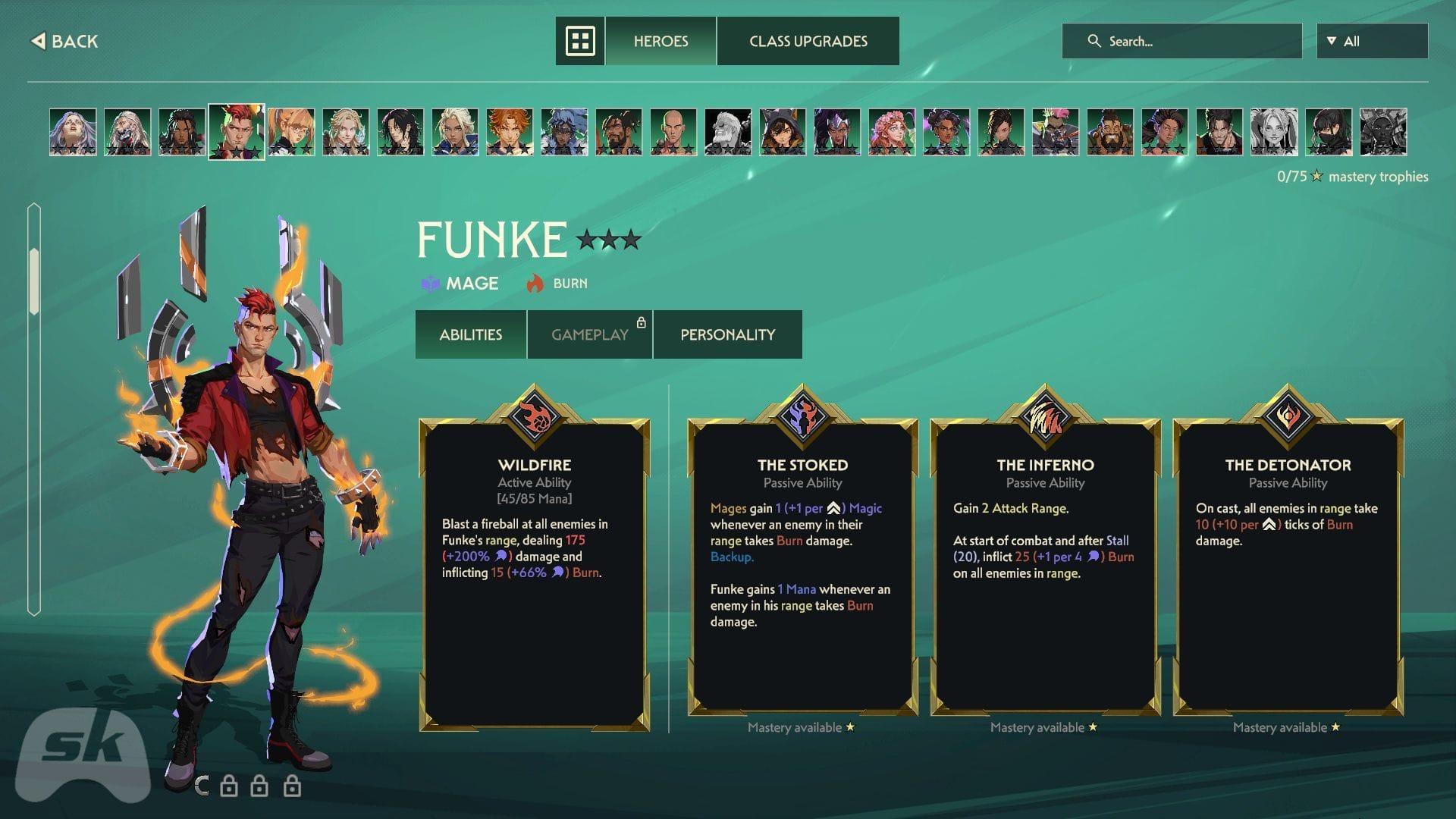
Funke is a Mage and ranged attacker who shoots fireballs, gains more range as he upgrades, and can stack burns on enemies. The collected Sportskeeda material says his Rank S direction adds crit, magic, and even freeze effects, which makes him a clear damage-center option when your run supports fire, magic, crit, or ranged pressure. He needs protection because his value comes from repeated casting and scaling damage.
2) Ming
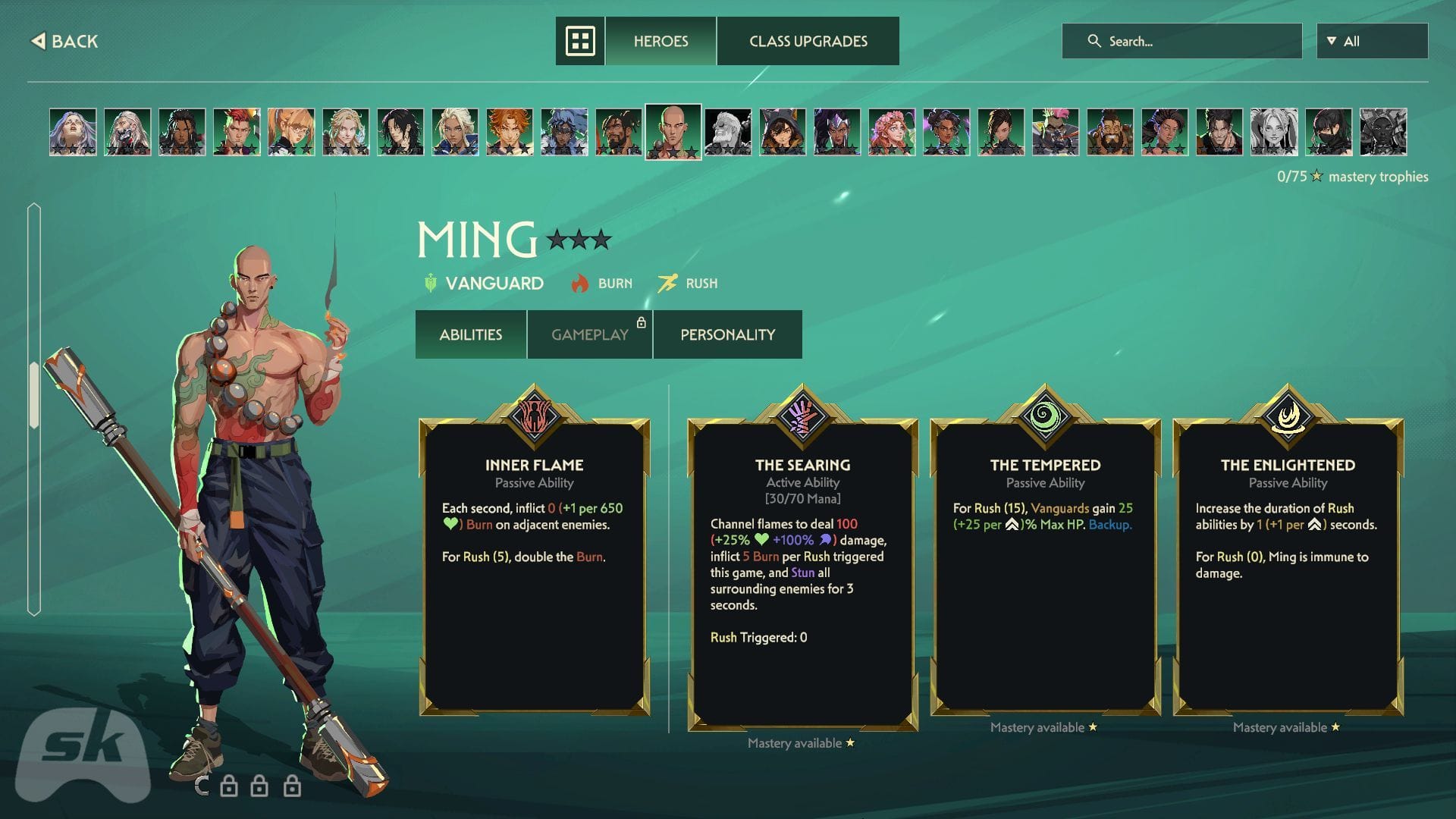
Ming is presented as a melee Vanguard who can charge in, weaken enemies, and spread burns through his attacks. With higher ranks, the material connects him to Omnivamp and Taunt, which means he can become much harder to remove while pulling attention toward himself. That makes Ming useful when you want a frontline build that still contributes status pressure.
3) Aria
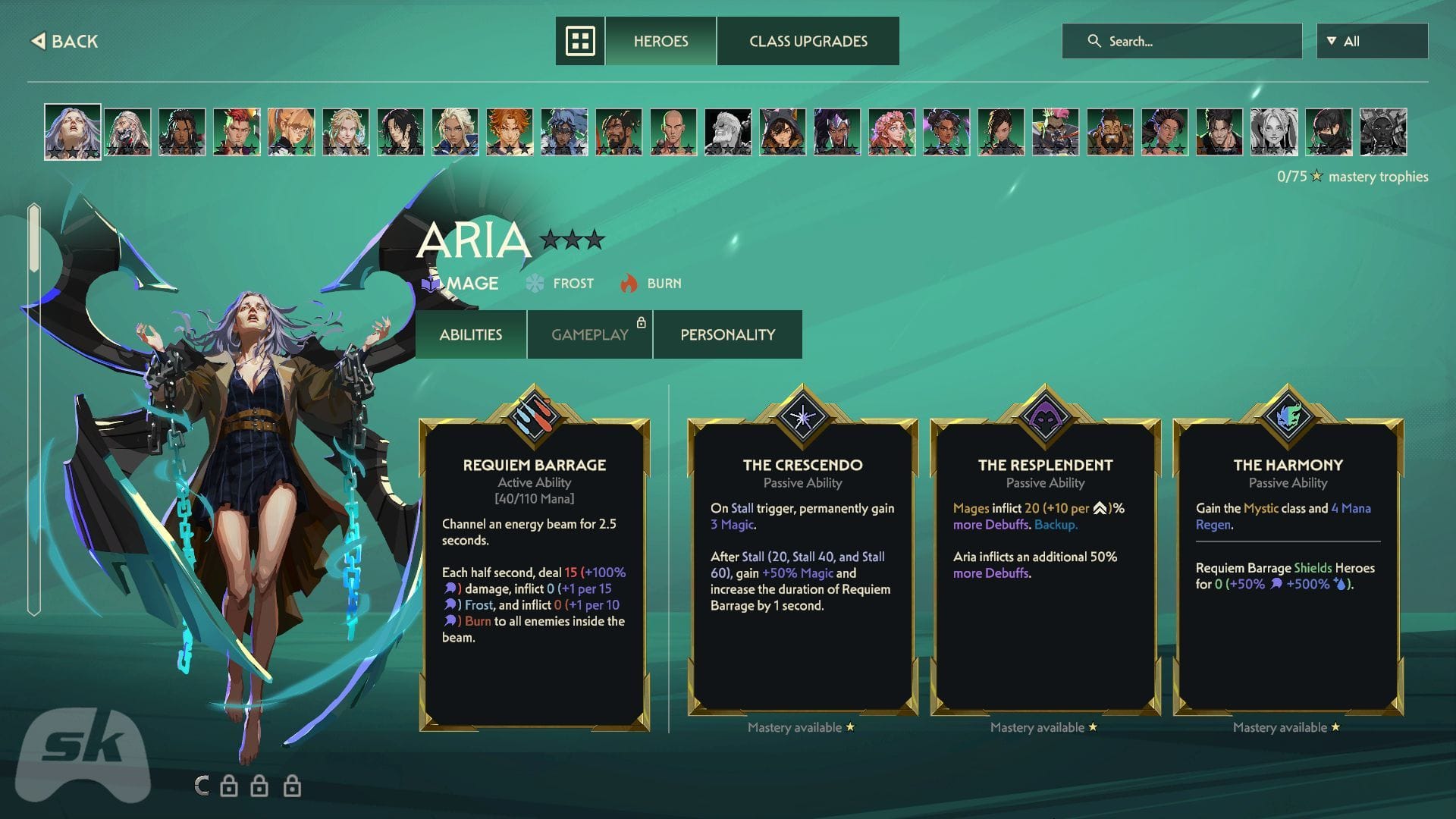
Aria is another Mage, but her value is different from Funke's. The material says she uses both Frost and Burn, leans more toward Frost perks, and has mana regeneration that helps her cast more often. Use Aria when your run is giving you spell uptime, Frost support, debuffs, or a slower fight where repeated magic matters.
4) Pimenta
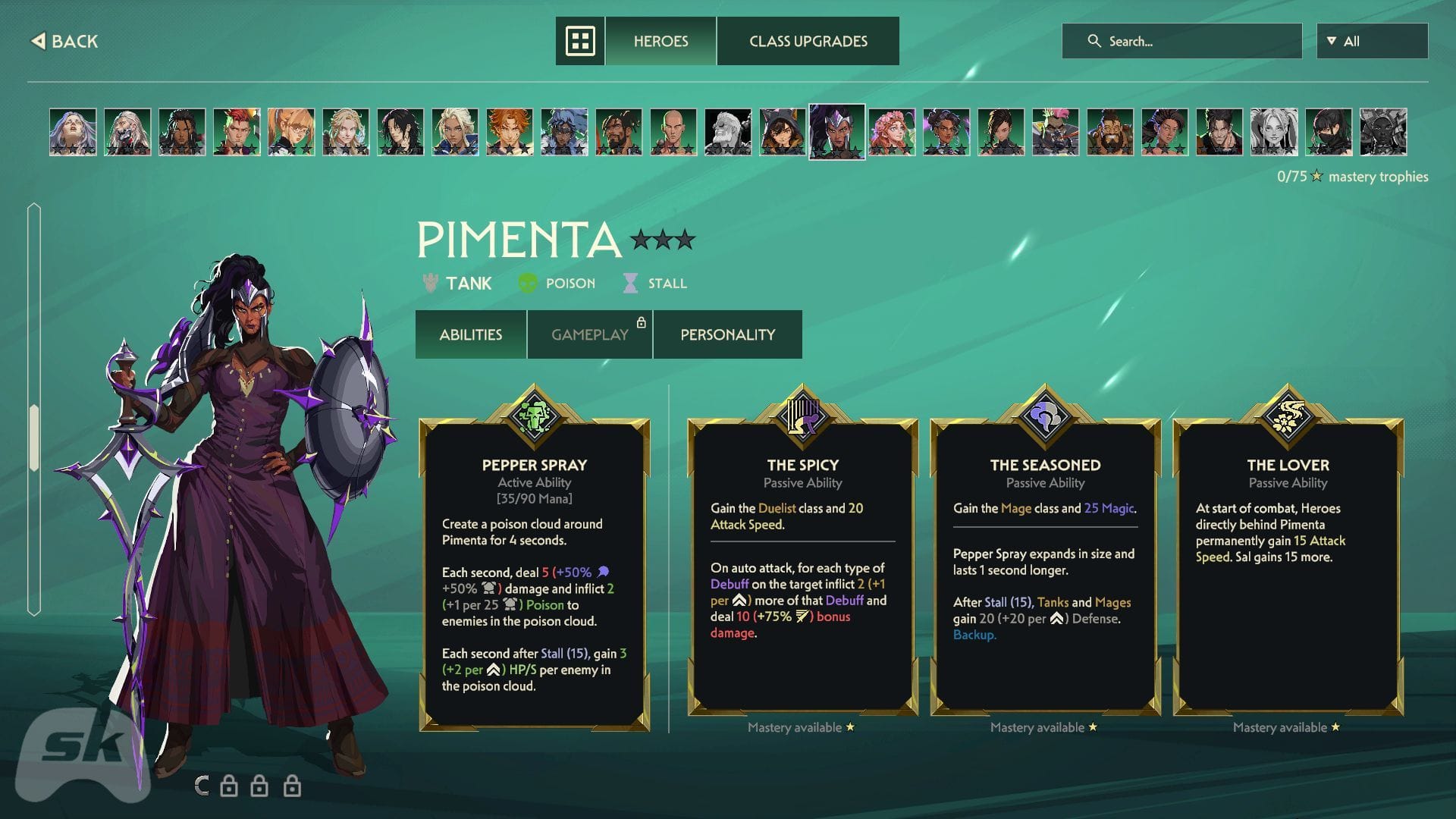
Pimenta is a Tank hero whose appeal comes from Poison. Her Pepper Spray creates poison clouds over time, and later upgrades add health and mana regeneration according to the collected Sportskeeda material. That makes her a strong candidate for defensive Poison builds where the team wins by staying alive while damage-over-time keeps working.
5) Kai
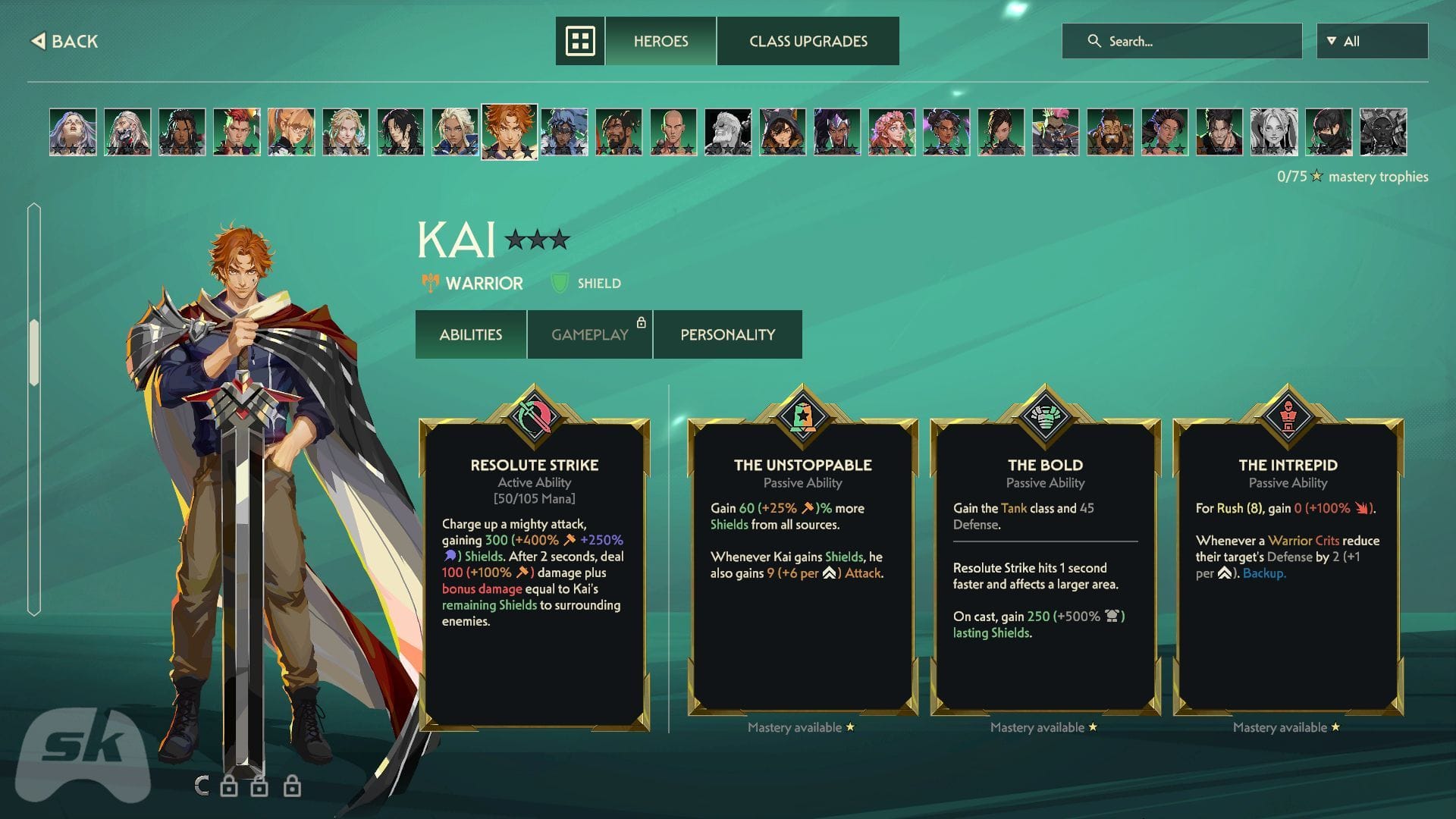
Kai is a Warrior who rewards patience and investment. At Rank B, the material names The Intrepid as a passive that boosts Crit chance, and later ranks connect Kai with stronger Crit perks, Omnivamp, and Rush. That makes Kai a good fit when your relics or items point toward Crit, Rush, or a carry that needs time to become dangerous.
How to Choose a Build Mid-Run
First, look at your best-ranked heroes. A high-rank unit that fits the current items and relics is usually more useful than a theoretical meta hero you cannot support. Second, check whether your relics reward specific triggers, classes, statuses, or team sizes. Third, decide whether the next problem is survival, damage, economy, or boss burst.
Do not stay married to early low-rank heroes in Endless or harder modes. The Endless material specifically warns that static early power falls behind repeatable or permanent scaling. If a late shop offers a stronger route, pivot around the best-supported tank, carry, or scaling engine.
Carry and Support Logic
The collected comp discussion says many successful runs work better when one main damage dealer receives the best scaling resources while the rest of the team enables that carry. That does not mean every other hero is useless. It means support picks should give the carry time, triggers, protection, Shards, debuffs, or the specific status package that turns the build on.
The same material names Logan, Ratna, Irini, and Kai as carries that show up in strong runs when heavily supported. The exact carry matters less than whether the rest of the board helps that carry reach full value. A random-looking team can win if the relics and upgrades connect, while a perfect-looking list can lose if the pieces never appear.
Builds by Search Intent
For `guildrun best comp`, use the best comp page because it compares Red Rift and Endless structures. For `guildrun best tank`, use the tank page because Skorn, Pimenta, and Kai have different support in the material. For character-specific builds, start with Dragomir, Zuri, Tilly, Irini, Nyx, Yuuna, Niklas, Fiona, Ratna, Ming, Sal, Funke, Aria, Pimenta, or Kai pages when those pages are available.
The safest general structure is durable frontline, primary carry, direct support, and a relic package that matches your triggers. That structure is more reliable than a copied list because Guildrun shops and rewards change every run. If your board cannot explain how it survives and how it kills, it is not a complete build yet.
Patch Warning
The patch-note material shows frequent changes to heroes, class modifiers, relics, items, and Endless encounters. Any build using old Rush counts, old Stall values, old Spark behavior, old Red Rift assumptions, or old deep-Endless scores should be treated as patch-sensitive. Use exact patch numbers only when the material supports them.
Because Guildrun is still demo-era material in these notes, do not treat Sportskeeda, Reddit, or old video advice as permanent law. Use them to learn the build families and hero roles, then check whether your current run actually has the ranks, relics, and items needed to support that direction. When something is not confirmed by the collected material, mark it 待确认 instead of inventing a stronger claim.